Cycle Health: Supporting Your Body Through Every Phase
If you’ve ever curled up on the couch with a hot water bottle, wondering why your body feels like it’s working against you, you’re not alone. For so many women, period time brings more than just cramps. It brings fatigue, brain fog, mood swings, and cravings that seem impossible to ignore. And for most of us, the go-to fix has been painkillers, chocolate, and just powering through.
But what if the real support your body needed was already sitting in your kitchen? The foods you eat play a bigger role in your hormonal health than you might think. The right nutrients can help ease painful periods, steady your energy through the day, lift your mood, and even take the edge off those relentless cravings. Iron supports energy levels, and fiber helps to remove excess oestrogen. It comes down to giving your body the building blocks it needs to feel good, even on the toughest days of your cycle.
As someone who lives with endometriosis, I’m not here to make false promises. Changing what’s on your plate may not solve every single issue you face. But it can genuinely make a huge difference in pain and energy levels. It’s one of the things we actually have control over, which is often underestimated when it comes to reproductive health!
Why Iron Matters (and Why So Many of Us Are Low)
With 40% of women worldwide estimated to be low in iron, this is one of the most common nutritional gaps, and you are definitely not alone.
One of the first signs of low iron is fatigue. If you are feeling constantly tired, struggling with brain fog, or just feel like your energy has dropped off a cliff, it is worth getting your blood tested. I always recommend checking in with your GP, because sometimes, if you are already deficient, food alone might not be enough. There is absolutely no shame in getting a supplement to help you get back to where you need to be.
That said, you might have heard that it is hard to raise your iron on a plant-based diet. That is a myth I really want to put to rest. The meal plans I have created for this goal contain a minimum of 37 mg of iron per day, to help replenish your iron stores and keep you feeling energised.
Boosting Iron Absorption on a Plant-Based Diet
The iron found in plants (non-heme iron) is a little less bioavailable than the kind found in animal products. But there are simple, proven ways to increase how much your body absorbs.
Pair iron-rich foods with vitamin C. Think tomatoes, capsicum, citrus, broccoli, or berries alongside your iron sources. This significantly increases absorption.
Add alliums. That is your onion, garlic, and leek family. When combined with non-heme iron, alliums help boost absorption too. Conveniently, these are already in most of my recipes.
Include both strategies at every meal. In the women’s health meal plans, every meal has been designed with these pairings built in, so you do not have to think about it. If you’re looking for more iron-rich recipes, select the iron-rich filter.
Avoid consuming tannins with meals. This means avoiding tea, coffee, wine, or sodas that contain tannins (ideally, avoid all sodas). Tannins bind iron and reduce its absorption. Tea and coffee are best enjoyed at least 1 hour away from food.
Fiber and Estrogen: A Connection Worth Knowing About
Fiber does more than just support digestion. It plays an important role in helping your body eliminate excess estrogen. When estrogen is metabolised by the liver, it is sent to the gut to be excreted. A high-fiber diet helps move things along efficiently (aka regular bowel movements), so excess estrogen does not get reabsorbed back into the body.
This is one of the reasons the women’s health meal plans are loaded with fiber-rich whole foods: legumes, whole grains, vegetables, fruits, nuts, and seeds.
Anti-Inflammatory Eating
Inflammation is at the root of so many women’s health concerns, from painful periods to bloating to skin issues. Anti-inflammatory foods like ginger, turmeric, and cinnamon have natural pain-relieving properties that can help ease cramps and reduce inflammation during your period. Omega-3 rich foods such as flaxseeds, chia seeds, and walnuts work similarly by lowering prostaglandins, the hormone-like compounds responsible for cramping. Berries and dark chocolate are packed with antioxidants that further support this anti-inflammatory effect.
Food to support your cycle
- Magnesium is one of the most important minerals during your cycle. It helps relax muscles, ease cramps, and support mood. You’ll find it in dark chocolate, raw cacao, almonds, cashews, bananas, avocados, and oats.
- B vitamins play a key role in energy and mood regulation, and help keep hormones in balance. Whole grains like oats and brown rice, leafy greens, nutritional yeast, and bananas are all excellent sources. These nutrients work together to combat the fatigue and brain fog that often hit hardest during your period.
- Soothing ingredients like ginger, chamomile, fennel, and peppermint can calm bloating, ease nausea, and promote relaxation. Adding these to teas, soups, or smoothies is one of the simplest ways to support your body when symptoms flare up.
Recommended Recipes
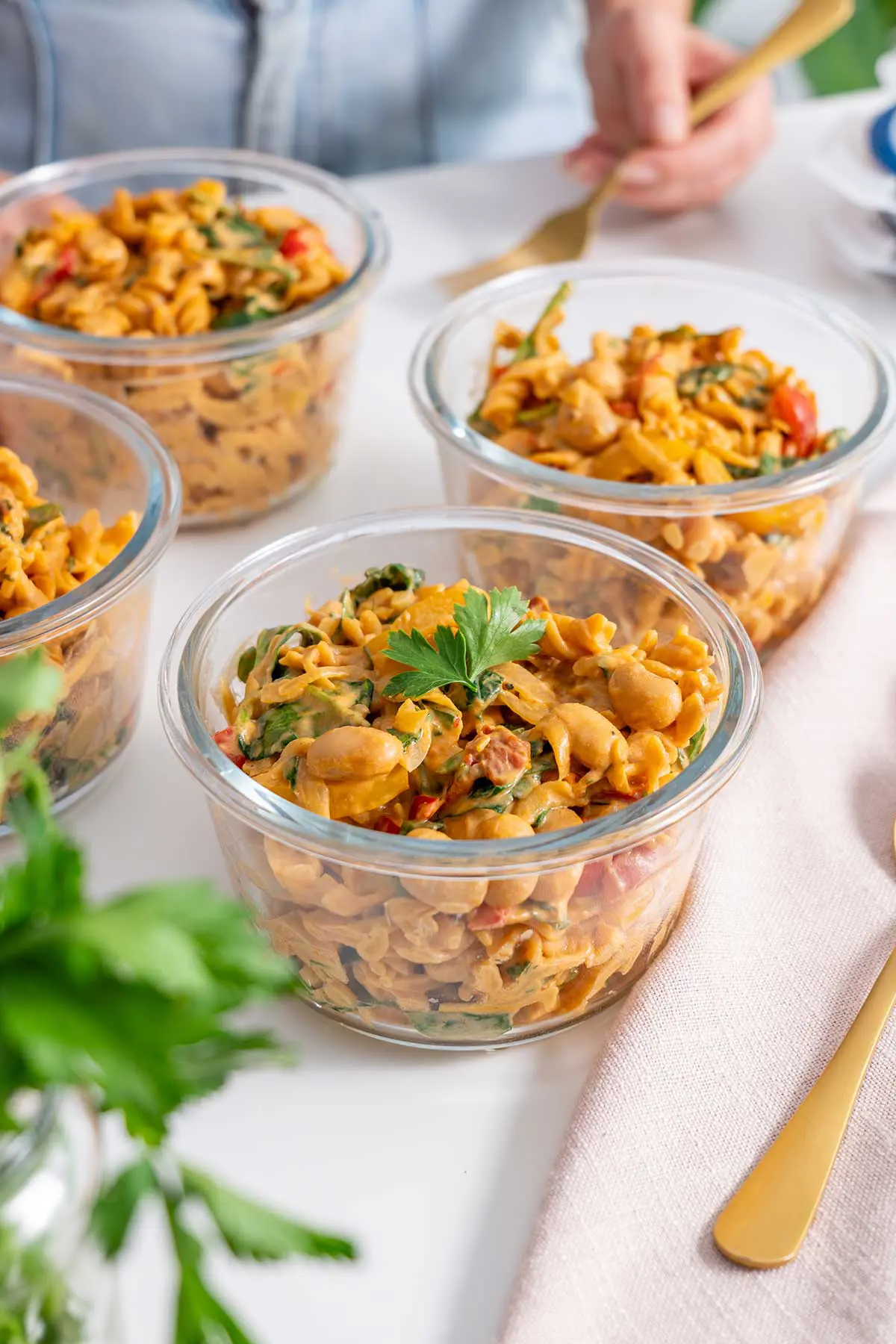
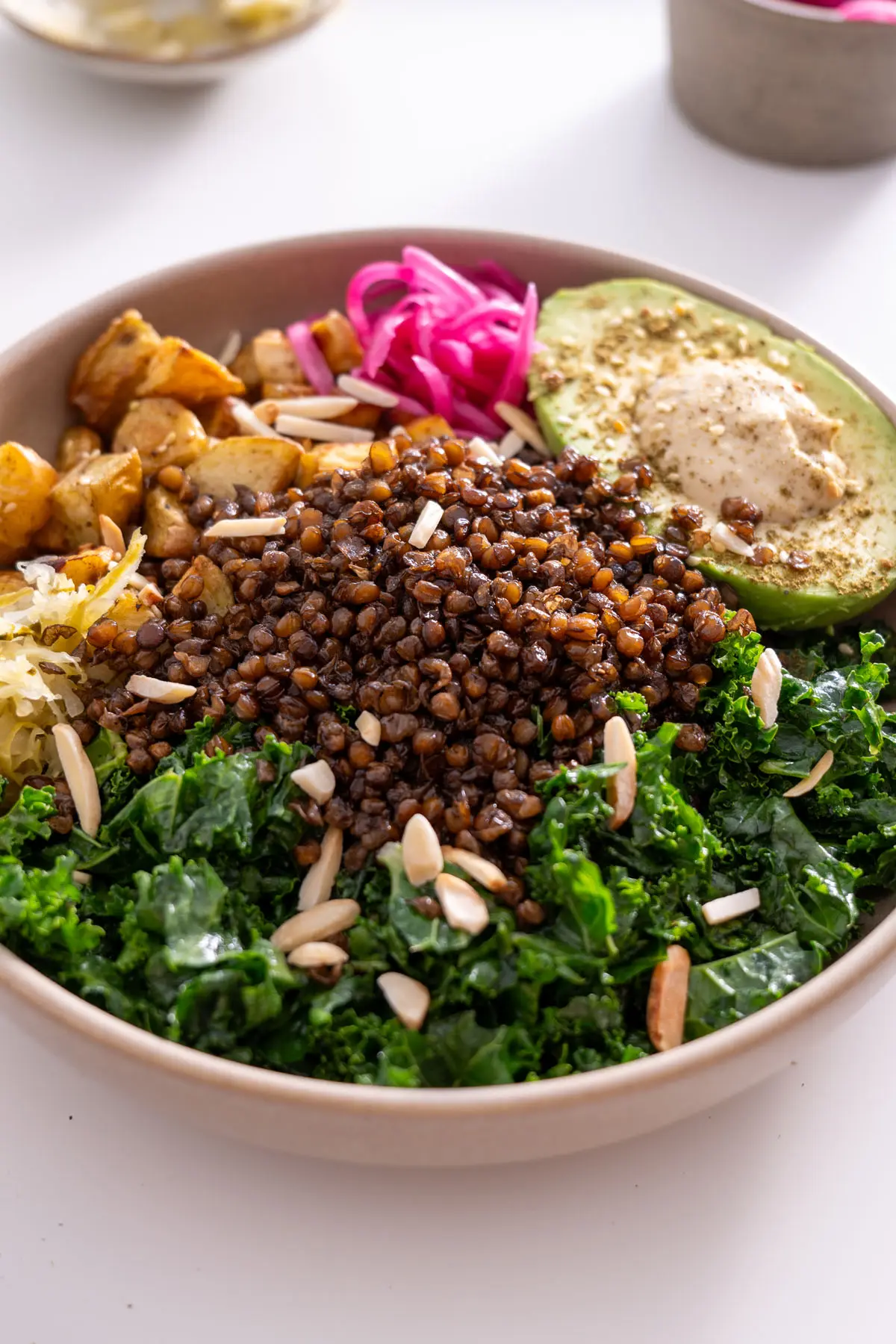
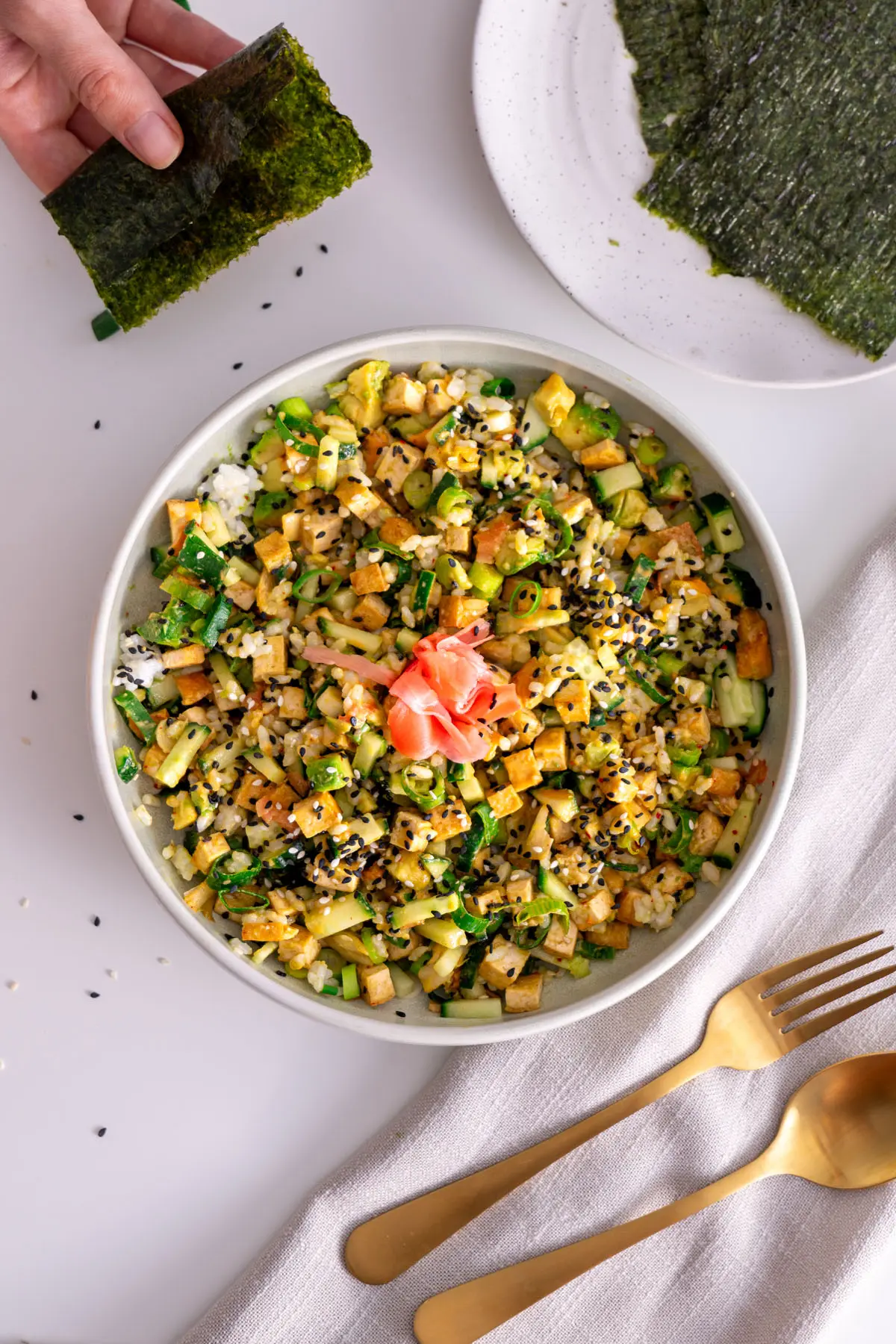
Think high-protein, high-fiber to keep you satisfied, and easy to meal prep to make it sustainable